
When you pick a bottle off the shelf, you tend to think its shape is just an aesthetic choice. Nothing could be further from the truth. Behind the curves of a Burgundian bottle or the sharp shoulders of a Bordeaux bottle lies a history shaped by shipping routes, trade, and regional identity.
The shapes we use today originated in the 18th century, designed not by artists, but by the practical needs of merchants.

The Bordeaux Bottle: Built for Ocean Travel
Born in Bordeaux, this is the cylindrical bottle featuring sharp, pronounced "shoulders."
The History: French merchants needed to pack as much wine as possible into the holds of ships heading across the globe. This geometric shape allowed the bottles to be stacked horizontally on top of one another, minimizing empty space.
The Benefit: The distinct shoulders serve a brilliant technical purpose: they trap the sediment of full-bodied red wines as they are poured, preventing it from ending up in your glass.
The Burgundy Bottle: The Pride of Small Producers
Featuring sinuous lines and sloped shoulders that glide gently toward the neck, this is the iconic bottle of Burgundy.
The History: In this region, wine traveled overland on horse-drawn carts and rough roads, and production was dominated by small, artisanal winemakers. Free from the pressure of packing millions of units into a ship's hold, local glassmakers created a shape that was simpler and faster to hand-blow.
The Benefit: It became the global symbol for wines that prioritize elegant aromas and complexity over powerful tannins.
The Alsatian/Alsace Flute: The Bottle for Calm Waters
Tall, narrow, and slender, this bottle is typical of the wines produced along the Rhine River between France and Germany.
The History: These wines traveled lightly on river barges gliding across smooth, calm waters. Because the journeys were seamless, there was no need for heavy, thick glass or shoulders to catch sediment, as the wines were almost exclusively clear whites.
The Benefit: Being narrow and lightweight, it required less glass to manufacture, cutting production costs. Additionally, the slender profile allows the wine to chill much faster.
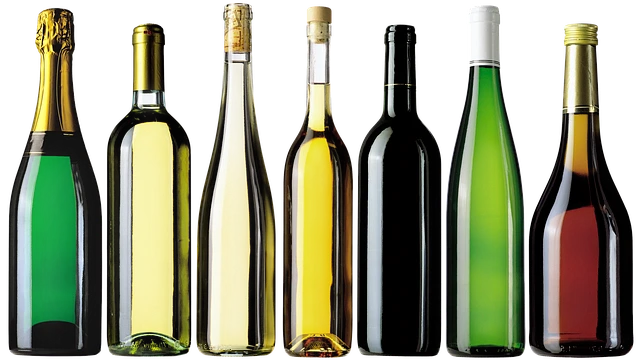
What About Italy? The Role of the Consorzi and Heritage
In Italy, the choice of bottle shape is far from accidental and is rarely left to the aesthetic preference of a single winery.
The shape and color of the glass are strictly regulated by the Consorzi di Tutela (Protection Consortia) through the official production regulations of the DOC and DOCG appellations. These consortia dictate and mandate specific bottles to safeguard regional identity. This ranges from requiring the Bordeaux bottle for structured reds, to the Burgundy bottle for wines focused on finesse, all the way to exclusive, legally protected historical shapes like the Albeisa in Piedmont or the traditional Fiasco in Tuscany.
The next time you uncork a bottle, look closely at its shape. It isn't just glass: it is a map of wine history.